



Why HTML and CSS Templates Still Rule for Fast, Lightweight Websites
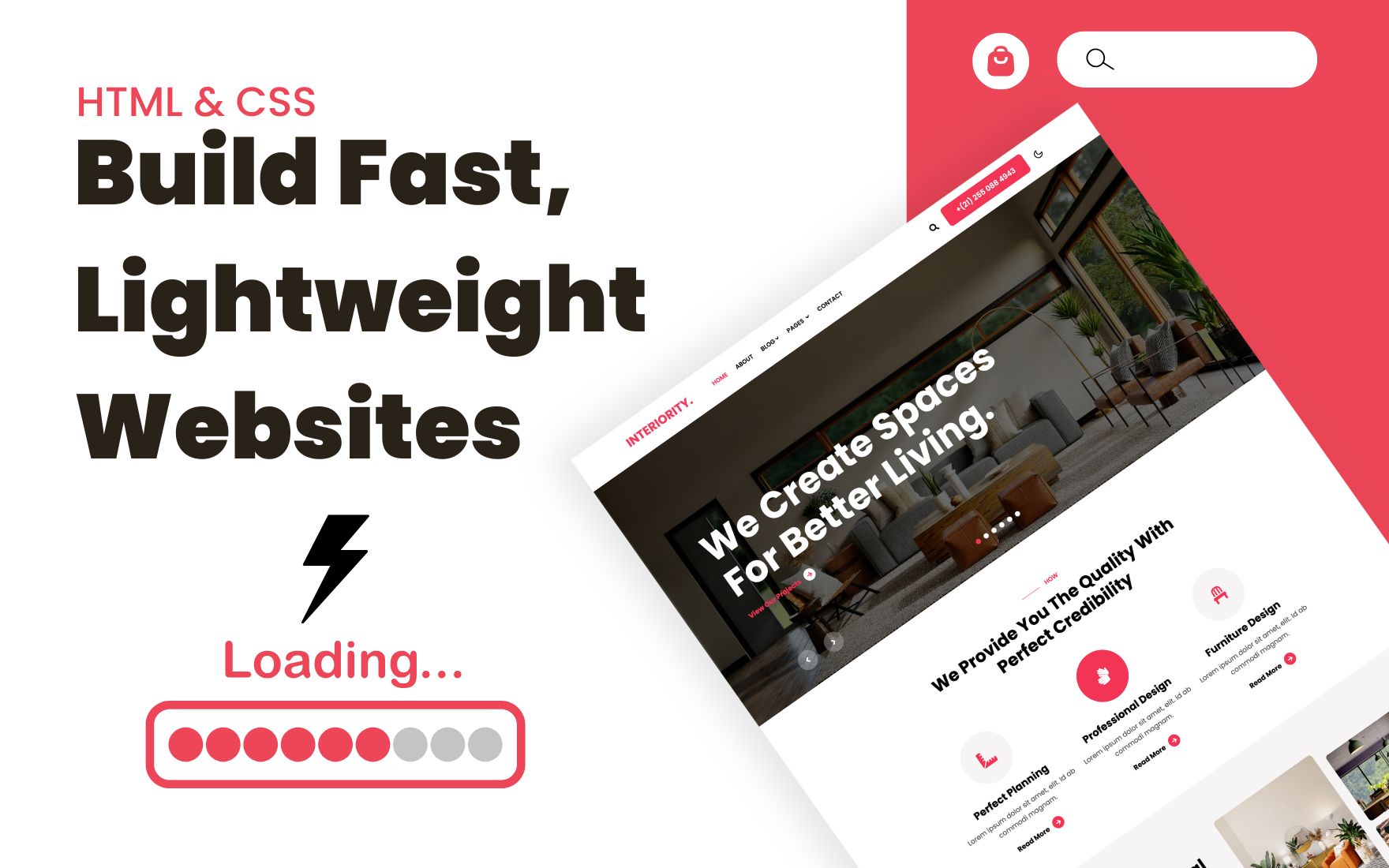
In the ever-changing world of web design, new tools and technologies appear almost every month. Yet, HTML and CSS Templates have stood the test of time. Whether you’re a small business owner, a freelancer, or a student learning web development, these templates are still one of the fastest and most reliable ways to get your website online.
At W3Layouts, we’ve seen thousands of businesses and individuals benefit from them — and here’s why they still lead the pack.
1. HTML and CSS Templates Load Faster Than Most Alternatives
When you choose HTML and CSS Templates, you’re choosing simplicity. There’s no heavy back-end code or unnecessary plugins slowing things down. Every second counts — research shows that visitors are likely to leave if a site takes more than 3 seconds to load.
Unlike CMS platforms that load dozens of scripts in the background, HTML and CSS deliver only what’s necessary. This makes them ideal for lightweight website templates that perform well even on slower internet connections.
Example: A photographer using an HTML template can showcase their portfolio without waiting for slow WordPress plugins to load.
2. Perfect for Beginners and Non-Coders
You don’t need to be a professional developer to use HTML and CSS Templates. Most templates come with clean, well-structured code and easy-to-edit sections.
- Change the colors and fonts to match your brand.
- Swap images and text with your own content.
- Publish your site without touching complex code.
For students and beginners, working with HTML and CSS is also a great way to learn the basics of web development. By tweaking templates, you get hands-on experience while building something functional.
3. Lightweight Websites = Better SEO Rankings
Google loves websites that are fast, mobile-friendly, and easy to navigate. Since HTML and CSS Templates are naturally lightweight website templates, they score high in these areas.
- Faster load times → Better search rankings.
- Clean code → Search engines can crawl easily.
- No unnecessary scripts → Reduced bounce rates.
If you want to optimize your template further, you can use tools like Google PageSpeed Insights to see where you can improve.
4. No Dependency on Plugins or Platforms
One of the main problems with website builders and CMS platforms is dependency. If the platform updates or removes a feature you rely on, your site might break.
With HTML and CSS Templates, your site is yours — 100%. You can host it anywhere, update it anytime, and never worry about monthly subscription fees for features you don’t use.
For example, our responsive web design templates are fully customizable and platform-independent, giving you full control.
5. Mobile-Friendly by Default
Most modern HTML and CSS Templates are built with responsive design in mind. This means your site will automatically adjust to fit different devices — from smartphones to large desktop screens.
A responsive design ensures:
- Better user experience.
- Higher engagement and conversions.
- Compliance with Google’s mobile-first indexing.
Whether you’re running a blog, an e-commerce store, or a business portfolio, responsive web design templates ensure your visitors have a smooth experience.
6. Budget-Friendly Without Sacrificing Quality
Hiring a developer to build a custom website from scratch can cost hundreds or even thousands of dollars. With HTML and CSS Templates, you can get a professional design for free or at a fraction of the cost.
At W3Layouts, we offer both free and premium templates so you can choose one that fits your budget without compromising on quality or features.
7. Easy to Host Anywhere
Since HTML and CSS Templates are made up of simple files, you can upload them to almost any hosting provider without compatibility issues. They work on:
- Shared hosting
- VPS hosting
- Cloud hosting
This flexibility makes them a favorite among freelancers and entrepreneurs who need quick deployment.
8. Customization Without Limits
Think HTML and CSS are limiting? Think again. You can combine your template with JavaScript for interactivity, add animations, or integrate it with back-end frameworks.
For example:
- Add a contact form with a simple script.
- Include an image slider for a product showcase.
- Embed videos for richer content.
The beauty is, you start with a solid foundation and build exactly what you need.
9. Long-Term Stability
Technologies like Flash have come and gone, but HTML and CSS have been around for decades — and they’re not going anywhere. By choosing HTML and CSS Templates, you’re building on a technology that will be relevant for years to come.
Conclusion: HTML and CSS Templates Are Still the Smart Choice
From fast loading speeds to full control over customization, HTML and CSS Templates remain one of the best solutions for building fast, lightweight websites. Whether you’re launching a startup, running a blog, or learning web design, these templates give you everything you need — without the headaches of complicated systems.
If you’re ready to start, explore our collection of HTML and CSS Templates and find the perfect design for your next project.